
If your industry includes beverages, FMCG, or pharma, then you understand the importance of the role that packaging plays, not only in relation to the way your product reaches the market, but also throughout the entire process: filling line, delivery to retail, and ultimately to the end consumer. Your packaging (including the bottle, preform, and cap) determines whether your product survives those stages and makes it into the hands of your customers. What most bottlers fail to recognise is how many mistakes can be made, due to lack of attention to detail, during the production process, about leaks, cracks, recalls, and damage to brand reputation, which can ultimately result from negligence when working with plastic bottle manufacturers and suppliers of caps for plastic bottles and plastic bottle suppliers in India.
The following guide identifies the many pitfalls associated with these practices, explains each in layman’s terms, and provides a simple checklist for avoiding them.
1. Neck Size Compatibility & Thread Design – Your First Line of Loss Prevention
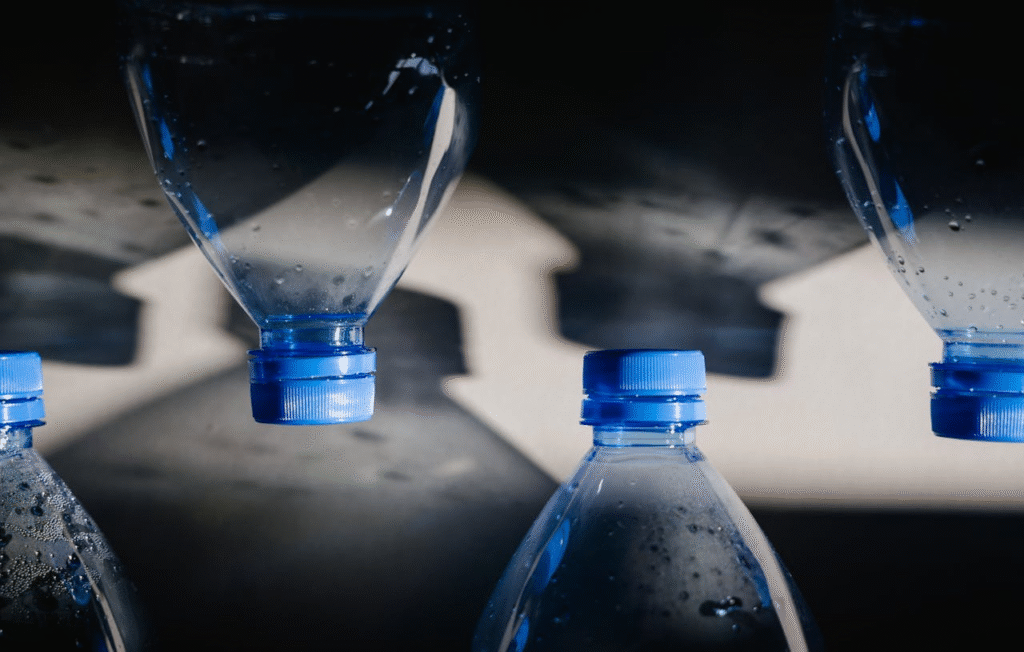
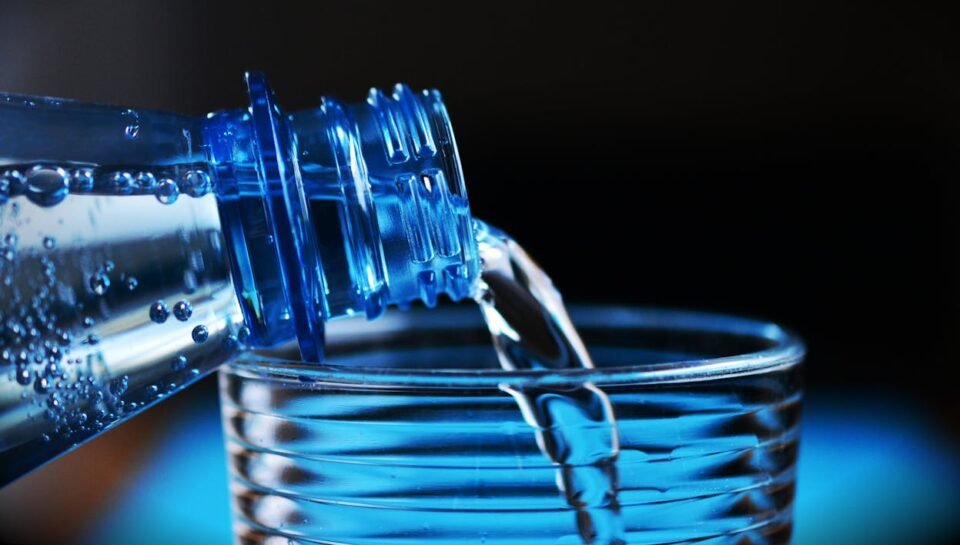
Bottle manufacturers often overlook how much of a financial and time burden can be caused by an incompatibility between a beverage bottle’s neck finish and its cap if manufactured with PET preforms. A preform is a pre-blown, and therefore pre-shaped, bottle that has been injected into a mould. The neck design must be established when designing the preform. All the specifications (neck diameter, thread type, pitch, and profile) must match between production phases.
Otherwise, you may face:
- caps that don’t torque properly
- caps leaking during storage or shipping
- increased need for re-work during filling/capping/sealing stages
The possibility of extra downtime due to capping equipment being misadjusted or incorrectly utilised.
As a result of the unique finishing process for PET preforms, it becomes very costly to change the neck finish during production after making the decision to use the preform. Companies producing plastic bottles and supplying manufacturers in India will frequently use some or all of the standard neck finishes (PCO necks, 3-start necks, etc.). Still, not all of these will necessarily work well with every supplier of caps.
Real-world numbers
- With a compound annual growth rate (CAGR) of about 2.23%, the PET Preform Market is projected to reach USD 26.09 billion by 2030 from USD 23.27 billion in 2025. Mordor Intelligence
- Beverages and water packaging are the main drivers of preform demand growth in India. According to some reports (Ken Research), the manufacturing of PET preform products in India was initially expanding at a CAGR of about 19.2%. Ken Research
Mini-Checklist
| Parameter | What you must confirm with your preform supplier/cap supplier |
| Neck diameter, thread pitch/profile | Do a go/no-go gauge test |
| Finish type (PCO, ROPP, etc.) | Matching with the current cap tooling or your cap manufacturer’s specs |
| Make sure the cap supplier offers compatible closure with your neck finish | Make sure the cap supplier offers a compatible closure with your neck finish |
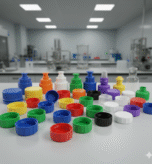
2. Quality of Plastic Water Bottle Caps – More Than Just Snap-On
Though small, caps present high costs due to spoilage, recalls, or customer complaints resulting from the use of poor-quality caps on beverage and bottled water products. The only acceptable cap for beverage and water products provides maximum security and protection from contamination while also providing tamper-evident features.
If you are a beverage manufacturer or bottled water supplier in India sourcing caps from manufacturers or suppliers of plastic bottles and caps, do not overlook the quality of the cap that you purchase.
Important Considerations and Mistakes to Avoid
- Seal Integrity: Poor quality liners, uneven torque, and defective threads are all contributors to poor sealing and leakage. Caps made of polyethene (PE) and polypropylene (PP) that are too weak to withstand heat found during hot weather (summer) in India can sometimes warp or otherwise “give” during filling, thus resulting in leakage.
- Cap Materials: The material used in caps, whether it be polyethene, polypropylene, or even polyethene terephthalate (PET), should have the necessary properties to meet the desired requirements (e.g., chemically inertness, sufficient rigidity, ultraviolet resistance, etc.).
- Manufacturing Defects: Flash, burrs, and non-uniform dimensions are defects that can cause problems with caps or, worse, cause delays in your filling/capping line, leading to costly minutes of downtime.
Information to Note about Caps in India.
- The growth of India’s plastic cap and closure market is projected to have a ~11.5% CAGR between 2021 and 2026. Source: eiriindia.org
- Segmentation based upon resin type indicates that PE (polyethene) types dominate, but over time, there has been increasing demand for both PET (polyethene terephthalate) type and PP (polypropylene) type caps across a variety of categories, such as bottled water, beverages, and Pharmaceuticals. As the demand for PET and PP has increased, so too has suppliers’ knowledge that the closure must match precisely what preform necks (or caps) require from a bottle perspective. Source: Market Report Analytics.
Cap Industry Best Practices
- Cap torque and sealing test: Find out how much torque the cap can withstand in Newton-cm, whether it leaks under pressure, etc.
- Material certification: Cap linings must adhere to food safety regulations, particularly for water or food-grade bottles.
- Pilot tests under actual conditions, such as heat, vibration from transportation, drop tests, etc.
3. Thinking All Bottles Are the Same & Why PET Preforms Make That Myth Costly

One of the most costly beliefs among marketers is that basically, any PET bottle is a good bottle, which is not the case. When the design and creation of your bottle begins with a PET preform, a variety of upstream factors (e.g., resin grade, wall thickness, weight, clarity, colour, additives) have already been determined. Due to this fact, any slight error or miscalculation that happens before moulding will impact the downstream production.
Below are some examples of common mistakes made by bottlers.
- Resin grade: When it comes to resin grade, a bottler will typically use either virgin (new) PET or rPET (recycled). While it is true that virgin PET offers a high level of clarity as well as strength, rPET will ultimately cost less and also help meet a company’s ESG goals; however, it also has variability as it is made from recycled material. Currently, approximately 76% of the overall plastic bottle market will rely heavily on virgin PET for the majority of its products. Mordor Intelligence
- Weight and lightweighting of preforms: While the use of lightweight preforms can reduce both cost and shipping weight, the wall thicknesses must be appropriately designed; the bottle may deform due to fill volume, develop a stress crack, or even explode if it is carbonated.
- Colour and additives: The addition of any type of tint or colour, UV stabiliser, barrier additive, etc., will reduce the recyclability of recycling materials and ultimately increase the cost of that material. The availability of rPET and the rates at which it is recycled will decline if colours or non-PET materials are added to a PET resin before it is recycled.
Statistics on PET Preforms in India
- The PET bottle market (including preform and bottle production) in India was estimated at approximately $1.5 billion in 2024 and projected to grow to approximately $2.1 billion by 2033 with a CAGR of approximately 3.61% (IMARC Group).
- Factors driving strong growth for PET Preform demand in India are: 1) Increasing bottled water and soft drink demand; 2) Stricter sustainability requirements; and 3) Some preliminary forecasts predict a boost to demand for PET preforms from recycled content regulations (6Wresearch).
Decision Tree to Decide Which PET Preform to Rely Upon
- Is my end product carbonated or still?
- Under what temperature and storage conditions will my product be held?
- What level of clarity or colour does my end product require?
- What level of recycled PET is feasible? (Cost vs Certification)
4. Supplier Fit: Specialisation vs General Supply – India Specifics
You are looking for a supplier of plastic bottles in India that can offer you guidance on PET preforms, neck-finish, cap compatibility, and whose main focus is on your success, not just the sale of moulds. If you make a poor choice when selecting a supplier, you can expect to see increased instances of rejections, increases in lead times, and additional costs not accounted for when designing the bottles.
How to Evaluate Suppliers
| Criteria | Why It Matters |
| Specialisation in PET preforms | Preform mould design, cooling channels, injection parameters, etc., matters a lot. A supplier experienced with PET preforms will have optimised cycles and better consistency. |
| Capability to supply matching caps/closures | If the supplier network includes or partners with plastic water bottle caps manufacturers, cap-preform compatibility issues are reduced. |
| Quality systems/certifications | Food safety (e.g. FSSAI, ISO 22000), resin traceability, lab test capabilities. |
| Flexible MOQ & lead times | Food safety (e.g. FSSAI, ISO 22000), resin traceability, and lab test capabilities. |
India’s Regional Perspectives
- Many plastic bottle manufacturers have plants with injection and blow moulding capabilities in Gujarat and Maharashtra, which are major centres for PET preform and mould manufacturers.
- Many regional bottled water brands are still served by the unorganised sector, although the resin, preform weight, and finish quality are frequently inconsistent.
- Suppliers who are aware of and compliant with the growing legal and regulatory pressure (both state and federal) regarding recycled content, bans on specific plastics, and waste management obligations will reduce your risk.
5. Cheapest Quote Isn’t Always Best – Hidden Costs You Might Miss

Initially, the lowest possible price per preform or bottle or cap may seem appealing; however, what appear to be ‘cheap wins’ can turn out to be extremely costly when actual costs are added in, particularly for preforms made from PET because several factors play a very significant role in terms of quality and cost for preforms, namely mould construction, resin quality, energy costs, rejection rates… to name just a few.
Typical Expenses Included in Your Purchase Price
- Rejections/Reworks: Preforms with sink marks, flash, or uneven wall thickness will be rejected for one or more reasons (e.g., blow moulding, or at a later date). All rejected preforms require the following costs to be paid out: resin, energy, labour, plus disposal costs.
- Shipping/Logistics: Shipping heavy and poorly packed preforms or bottles produced by injection moulding machines with weak caps can result in product damage or spoilage during shipping. Additionally, the cost will increase if your preferred supplier does not have a history of shipping large volumes of product(s) to the same destination.
- Electrical Inefficiencies: Many older moulding machines (in many factories) operate with higher energy costs than current technology, such as injection moulding machines that operate without properly maintained temperature-control systems, and older moulding machinery using sub-optimal mould-cooling systems, which can waste as much as 15-25% more electrical energy per kg of preform compared to today’s technology.
Market Data and Risk Elevation
- According to some reports, the Asia Pacific leads the global PET preforms market with a revenue share of about 46–47%. Mordor Knowledge
- The Indian market for recycled PET (rPET) was estimated to be worth USD 10.67 billion in 2023 and is projected to expand at a compound annual growth rate (CAGR) of about 7.35% between 2024 and 2030. You lose out on the premium rPET market if you reduce expenses at the expense of resin quality. IMPROVE MARKET RESEARCH
FAQs About Plastic Preforms & More
1. Is it possible to combine caps from Supplier B with preforms from Supplier A?
Only if the neck finish and thread match. Mix-and-match is only effective when standards are adhered to (e.g., same mould specs, same tolerances). If not, anticipate a cap stripping, failure, or leak.
2. What is the maximum amount of rPET that can be used without sacrificing strength or clarity?
It depends. Unless you’re using very high-quality post-consumer rPET and good decontamination and processing, clarity requirements for premium bottled water frequently limit rPET to a lower percentage. Although there has been some movement, virgin PET still holds about 76% of the preform market.
3. What are the typical ways that PET bottle + cap combinations fail?
Incorrect liner adhesion, neck finish warpage, thread mismatch, cap cracking at the skirt, and cap-bottle leakage under heat or vibration.
Real Bottler Story
In this example, a mid-size bottled water company (in Maharashtra) started using a new cap supplier offering cheaper caps. While the neck on the PET preforms remained identical, the root diameter of the cap thread was slightly undersized. When the bottle was stored in hot conditions (approximately 45-50 degrees Celsius) during the summer months, many of the caps failed to stay on because they did not engage with the preform threads properly. This resulted in product loss, customer complaints, and the need to rework batches. The company had to pay for new cap tooling and have the seals validated again after having incurred the cost of 3-4 times what they thought they saved by switching to the new cap supplier.
Lesson Plan for Your Procurement / QC Cycle
- Define the specifications: preform weight, resin grade, neck finish, and cap type.
- Sample and test: procure a small batch of preforms and caps and perform filling and capping, and conduct heat/humidity tests.
- Conduct factory audits: inspect the resin source, injection/moulding capabilities, and testing laboratories.
- Use negotiation to protect your interests: negotiate not only caps pricing, but also specify monetary penalties/allowances for rejects, delays, and noncompliance with specifications.
Final Thoughts: How Vigilance on Preforms & Caps Pays Off
In the world of plastic preform production, all parts of your supply chain are interrelated. The factors of the moulding process, resin quality, cooling methods, neck finish style, and type of caps used all affect the overall quality of your final product. If you do not get any one of these factors right, it can increase your costs exponentially. When you align each of these elements properly:
- The return leakage of your product drastically decreases
- The efficiency of your fill/cap/seal line greatly improves
- You increase customer satisfaction
You establish a competitive advantage over other companies based not only on product price, but on product reliability, sustainability (particularly about rPET), and on brand trustworthiness.
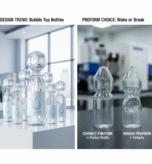
If you need a plastic bottle manufacturer that can offer quality, consistency, and value, then please consider DRJ Plasttech. DRJ Plasttech is located in Surat and specialises in producing high-quality PET preforms, bubble top bottles, and caps. Their facility operates multiple machines and can manufacture up to 15 tons of preforms each day.
All products manufactured by DRJ Plasttech are 100% recyclable, have been subjected to strict quality control processes (visual inspections, thread checks, wall thickness testing, etc.), and are customised to your exact specifications, whether you are looking for perfectly sealing water bottle caps, sleek-looking bottles, or custom preform weights. Stakes with your packaging, DRJ Plasttech is one of the PET preform plastic bottle suppliers in India, worth partnering with.