
Strategic process for your profits The most optimal consulting solution.

Business

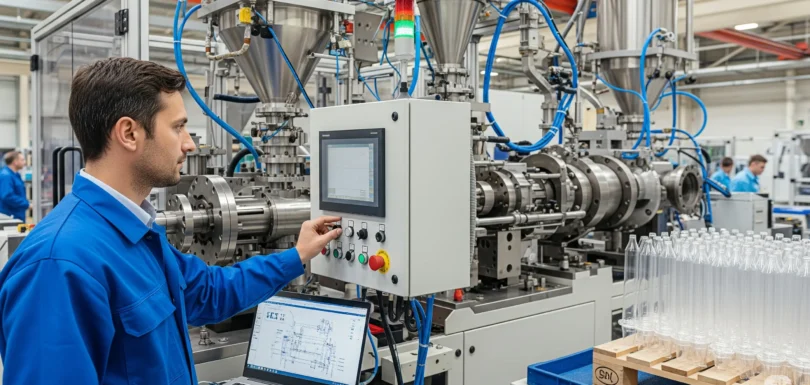
man calibrating PET preform machinery

Top 10 best PET preform manufacturers in Gujarat 2026

There are several leading manufacturers of PET preforms and plastic packaging in Gujarat, which makes this industry a significant market. As stated in the IBEF‘s 2024 report, over twenty-eight percent (28%) of India’s total plastic production comes from Gujarat. As such, it plays an important role within the PET bottle preform sector. Some PET bottle Preform Manufacturing Companies/ Preform Moulding Companies located in Gujarat are supported by all the cutting-edge equipment, as well as professionals with experience and expertise, and a strong supply chain. Whether you need food-grade PET preform, an assortment of neck types that are custom-made, or even large-scale orders of wholesale preform, the following ten companies lead by example in the industry. These manufacturers include long-established names and up-and-coming brands, and can provide you with a wide range of products, including Alaska Neck PET preforms and lightweight, eco-friendly versions. And all of them have been tried and trusted, and have the capability to meet the demands of today. 1. DRJ PET – Quality that Speaks Volumes 🔗Visit Website In Surat, Gujarat, DRJ Plasttech is one of the leading manufacturers of preforms. They have built a reputation on consistent quality, precision, and superior customer service. DRJ Plasttech is one of the top providers of PET preforms used for water bottles of 200ml, 500ml, and 1 L. Their comprehensive state-of-the-art manufacturing facility includes five state-of-the-art injection molding machines that can deliver precise neck finishes and crystal-clear preforms. What Makes Them Distinct from Others: DRJ Plasttech is much more than just a PET bottle preform manufacturer in Gujarat; they are a complete packaging partner. With a dedicated team of professionals that provides comprehensive support throughout the entire process from design to delivery, thousands of mineral water bottle brands throughout Surat, Gujarat, Maharashtra, and Rajasthan trust DRJ Plasttech as their number one choice. If you are considering a change in suppliers or expanding your operations, you can always count on DRJ Plasttech for the best quality and lowest price in the preform manufacturing industry. operation, DRJ Plasttech offers unmatched reliability and affordability in the preform manufacturer space. 2. V-TON Plastic – Innovating One Preform at a Time 🔗 Visit Website V-TON Plastic has become a well-recognized name in Gujarat for growing rapidly due to its commitment towards innovation and sustainability in the manufacturing of PET bottle preforms. V-TON continues to be an up-and-coming manufacturer of PET bottle preform products in the domestic and export markets. Specializing in the manufacturing of PET preforms for mineral water, soft drinks, and the pharmaceutical sector, V-TON supplies a custom-made solution for companies of all sizes. The advantages of using V-TON Plastic include: The staff at V-TON Plastic are equipped with superior technical abilities, as well as providing excellent customer service to their clients, which enables them to be a preferred preform supplier in Gujarat. If you want your offering to contain innovative designs as well as to be environmentally friendly, then you should contact V-TON Plastic.e, V-TON Plastic fits the bill. 3. Shreeji Plastic – Precision in Every Drop 🔗 Visit Website In the area of Gujarat, small and medium-sized enterprises (SMEs) looking for an affordable source to manufacture plastic bottles should look no further than Shreeji Plastics. Offering a full line of PET bottled beverage preforms and packaging products, as well as household products, this company has gained popularity among many SMEs because of its commitment to customer service. Their Expertise: Because of the strong regional distribution network and focus on customer satisfaction, Shreeji is known as a trusted manufacturer of preforms. If you have a specific volume need but still need high-quality preforms, consider Shreeji as an option. 4. Patel Pet Preforms – Versatile & Value-Driven 🔗 Visit Website For more than a decade, Patel Pet Preforms has built itself as a consistent contributor to the PET Preform market in Gujarat (India) and for many of the key industries utilizing the PET material, including bottled water, dairy products, and edible oils, through its focus on high-quality, durable packaging at a competitive price point. Patel Pet Preforms offers several advantages to its customers: If you are a brand seeking a truly reliable all-in-one manufacturing partner to supply you with PET bottle preforms in Gujarat, Patel Pet Preforms delivers exceptional quality while keeping the complexities of the process as simple as possible.und PET bottle preform manufacturers in Gujarat, Patel Pet Preforms delivers quality without overcomplicating the process. 5. VK Mould Industries – Masters of Molding 🔗 Visit Website VK Mould Industries is dedicated to manufacturing the moulds used to create PET preforms. They are located in Ahmedabad and are a critical component in the supply chain for PET preform manufacturers. VK Mould provides some notable services: The tools manufactured by VK Mould Industries are an important resource for many of the leading manufacturers of PET bottle preforms located in Gujarat. If you are in the process of creating a new production line or upgrading your current production facility, VK Mould Industries would be a great partner. up your own production line or upgrading existing infrastructure. 6. Ravim Polyplast – Packaging with Purpose 🔗 Visit Website Ravim Polyplast is a well-known manufacturer of PET preforms and is known for supplying high-quality products in large quantities. The company is located in Rajkot, India, and supplies custom PET preforms to manufacturers of water, oil, and FMCG products that require durable and efficient PET preforms. Their main offerings include: In addition to these capabilities, Ravim Polyplast has also popularized their “Alaska Necks” for PET bottles, which have become popular for edible oil containers. Overall, Ravim Polyplast is an excellent example of a company that balances strict quality control with a focus on satisfying its customers.ed widely in edible oil packaging. Ravim Polyplast strikes the perfect balance between quality control and customer satisfaction. 7. Petbottle.co.in – Your Digital PET Partner 🔗 Visit Website Petbottle.co.in is a digitally oriented brand, meaning that it provides its customers with a very easy-to-use web-based system through which to obtain both PET preforms and

Continue Reading
Making PET Preforms

Outsourcing vs. Making PET Preforms: Cheaper or a Complete Waste of Money?

Outsourcing PET preforms or manufacturing them internally is one of the most controversial questions in the fast-paced world of packaging. On the surface, producing your own preforms seems like it may be a beneficial long-term decision financially. However, when you factor in costs associated with raw materials, machine maintenance, equipment purchase costs, labour costs, and energy consumption, it is a completely different calculation. We will compare these options in terms of costs, risks, benefits and long-term effects to help you decide which option best serves your financial interests while enabling you to produce high-quality/preferred preforms at ultimately low cost while maintaining quality and consistency. Table of Contents Understanding the Real Costs of Manufacturing PET Preforms In-House The Case for Outsourcing PET Preforms to a Trusted Partner Comparing PET Price in India: In-House vs. Outsourced Beyond Cost: Strategic Benefits You May Be Overlooking So, Is Outsourcing a Complete Waste of Money? Absolutely Not. Final Thoughts FAQs on Outsourcing PET Preforms vs. Manufacturing In-house Understanding the Real Costs of Manufacturing PET Preforms In-House The majority of businesses grossly miscalculate their actual production costs to produce their own PET preforms, largely because they fail to factor in a myriad of variables. Below are some examples of the variables: 1. Machinery Investment: A Massive Upfront Cost When you decide that you want to manufacture your own PET preforms, you will first need to invest in high-precision injection moulding machines, sets of moulds to make different sizes of preforms, chillers, dryers, and controllers to maintain the temperature of the moulds. The price of a high-quality injection machine ranges from ₹60 lakh to ₹1.5 crore, depending on the size of the machine and its features. The return on investment will typically take three to five years, assuming that you have a consistent flow of production and have very little downtime on the machine. 2. Tooling & Mould Costs The moulds are the most critical component of your PET preform production operation. Every mould (28 mm neck, 30 mm neck, etc.) costs ₹10 lakh – ₹25 lakh to manufacture and is specifically designed for your preform production process. Wear-and-tear on your moulds will require you to service them regularly or replace them, which adds expense to your operating costs each year. 3. Trained Manpower and Maintenance Creating PET bottle preforms requires an experienced team to oversee injection molding operations, troubleshoot production problems, maintain equipment, and perform quality inspections. This will require salaries for additional support personnel and expenses related to training this type of employee. 4. Power Consumption Injection molding uses a significant amount of electricity. Each month, electric bills from injection-molding machines can reach hundreds of thousands of rupees, depending on machine size and the total number of preforms produced. Intermittent power supply disruptions can also affect product uniformity and lead to machine shutdowns when power supplies are unreliable in certain countries/regions. 5. Raw Material Procurement and Storage Purchasing virgin or recycled food-grade PET resin can create an immediate cash flow issue. The volatility of raw materials prices creates additional financial risk to your profits. You will also have to invest in creating a humidity-controlled environment for your resin before using it to help prevent contamination or degradation, thus incurred additional costs. Tip: The cost for PET preform production (price/kg) is strongly correlated with fluctuations of crude oil prices, availability of resin, and shipping methods. Outsourcing the production of PET preforms provides you with fixed or contractual rates that are insulated from these variations. 6. Quality Control & Consistency When businesses without prior experience in manufacturing plastic products start to make products in-house, there is often a huge level of variation that may occur due to a lack of experience. If there is any irregularity in wall thickness/size, flash on preform products, or any ovality found in preform products, this can harm the downstream process of sealing preform containers and may cause the entire downstream process of filling, transporting, and sealing product through automated operations to become less effective, resulting in rejected products, increased delays, and increased customer complaints. The Case for Outsourcing PET Preforms to a Trusted Partner Reasons to use trusted suppliers/expert manufacturers when outsourcing PET preform needs 1. Zero Capital Investment When you outsource, there’s no need for you to purchase machinery, moulds, or hire employees to do the manufacturing of PET preforms. You can convert this fixed capital expense into a variable cost. You pay only for what you need when you need it. This is especially advantageous for: 2. Predictable Pricing: Know Your Margins Partnering with a manufacturer such as DRJ Plasttech gives you complete transparency and predictability regarding your costs. Whether you order 10,000 or 1,000,000 preforms every month, you will benefit from pre-negotiated pricing that has been determined based on volume, resin type and neck size. This is why the terms PET bottle preform price or PET preform price per kg have relevance. Instead of having to monitor the daily fluctuations of the PET resin market, you can lock in your supply of preforms at a fixed price for preforms in India, thereby enabling better budget and inventory management. 3. Superior Quality and Consistency Manufacturers with a track record of excellence typically utilize advanced injection machines, robotics, and in-line QC systems to guarantee that each preform produced meets the weight, neck dimension and clarity tolerances set forth by the industry. As a result of implementing this type of quality control, manufacturers experience: At DRJ Plasttech, we have stringent quality control procedures in place that ensure all preforms we produce are of the highest possible quality and undergo multiple inspections before being shipped from our facility. 4. Scalability and Flexibility Need a last-minute batch? Launching a new bottle design? Switching cap sizes? Outsourcing provides the agility to scale up or pivot product lines without buying new moulds or machines. At DRJ Plasttech, we offer preforms in a wide range of weights, neck types, and colours that are always ready to dispatch across Gujarat and neighbouring states. 5. Time Savings
Continue Reading
PET preforms and the final blown bottles with them

Choosing Water Bottle Preforms: Factors Affecting Your Product Quality

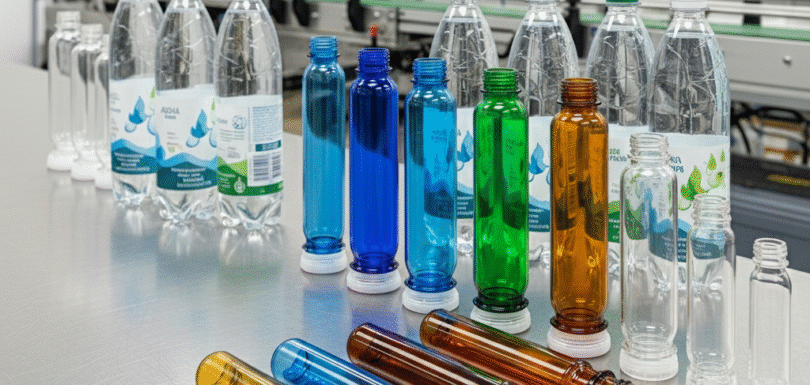
In terms of bottled water, packaging is not just an item of convenience; rather, it represents what your brand stands for, while providing an indicator of how long it will last on store shelves and being an integral yet unseen element in making customers happy. Thus, the type of water bottle preform selected is more than simply a supply chain decision; it is a strategic choice. At DRJ Plasttech, we realize what an important decision it is, and as the leading manufacturer of PET preforms for water bottles in Surat, we have helped countless businesses across Gujarat and neighbouring states improve their packaging capabilities. The goal of this article is to identify the key factors involved when selecting a preform for water bottles, enabling you to protect your product, impress your customers, and streamline your manufacturing processes. Table of Contents Understanding What a Water Bottle Preform Is Material Quality: The Foundation of Performance Preform Weight and Size: Tailored to Your Needs Neck Finish and Compatibility Clarity, Colour, and Aesthetic Flexibility Dimensional Accuracy & Uniformity Blow Moulding Performance Shelf-Life Considerations Sustainability & Lightweighting Manufacturer Reputation & After-Sales Support Final Thoughts: Why Preform Quality is Brand Quality FAQs: Water Bottle Preforms Understanding What a Water Bottle Preform Is Water bottle preforms are an intermediate step during the entire manufacturing process before the final PET Water & Plastic Bottles are produced. These preforms are injection molded, and then later blow molded into the final size of the bottle(s) produced. The specifications, integrity, and design of the water bottle preform directly determine what the final water bottle will look like, how long the water bottle can last, and how well it can be sealed. Since the blow moulding step is going to be performed to create the finished product, the preform must be designed in accordance with specific design criteria to guarantee consistent performance and dimension integrity of the finished bottles, especially for brands that sell at high volume. Material Quality: The Foundation of Performance When selecting a PET preform for water bottles, the single most important factor to consider is the quality of the raw material used in its manufacture. At DRJ Plasttech, we use FDA-approved virgin PET resin sourced from a qualified and reliable raw material supplier. The high-quality resin provides some benefits: Damage to the integrity of the water bottle can occur when low-quality PET resin is used, creating a cloudy bottle, or one that is brittle or leaks, which is not an acceptable situation in today’s increasingly competitive bottled water market. Preform Weight and Size: Tailored to Your Needs Packaging for water bottles must match your bottling line, product size (200 ml, 500 ml, 1 L, etc.), and cap requirements. The preform’s weight has a direct impact on: In order to support a variety of product lines, DRJ Plasttech produces a broad range of water bottle preform sizes and weights, from affordable small formats to high-end designs with thicker walls and larger diameters. Selecting the appropriate weight prevents overengineering that results in needless expenses while guaranteeing the best blowing performance and material efficiency. Neck Finish and Compatibility You must match the neck finish of your PET bottle preform to the closure system you’re using. The neck diameters in common use are 28mm, 30mm/25mm and custom finishes that work with tamper-evident or flip-top closure systems. The reasons for this are as follows: DRJ Plasttech manufactures precision-made neck finishes with extremely tight tolerances. DRJ Plasttech guarantees that your bottle neck will always fit perfectly with your cap manufacturer. Clarity, Colour, and Aesthetic Flexibility In addition to clarity, shape, and colour, a product’s visual experience can be a trait that affects the way users view it. The standard by which bottled water is marketed and packaged is through the use of clear bottles; however, many companies are now beginning to use slightly tinted (blue/green) bottles to make their products more visually appealing to consumers. DRJ Plasttech provides: When you use our colour-matched preforms, your packaging can achieve a high level of shelf attraction and brand recognition. Dimensional Accuracy & Uniformity All water bottle preform sizes must have uniform wall thickness and dimensions. Even small discrepancies can result in: Every preform is guaranteed to meet the highest precision standards thanks to DRJ Plasttech’s automated systems and quality-controlled production environment. Every batch you receive is dependable because our real-time monitoring systems quickly identify discrepancies. Blow Moulding Performance The performance during the blow moulding process of the preforms used to create your water bottles will heavily impact how well these preforms perform when forming the final bottle product. Factors that are critical at this stage include: All three of these factors impact bottle creation, the time it takes to cycle the blow moulding machine, and the rate of production. DRJ Plasttech tests preforms using many different types of stretch-blow moulding machines for maximum compatibility and ease of integration with your current production line.. Shelf-Life Considerations Packaging is not only functional in terms of protecting your products, but also for preserving them. A high-quality water bottle PET Preform helps to: For pure and mineral water, maintaining the purity and freshness of these products is essential. To ensure this, we perform testing on our preforms to measure gas permeability and seal strength. Sustainability & Lightweighting There is growing pressure on today’s water brands to use less plastic and lessen their environmental impact. Without sacrificing strength, lightweight PET preforms can cut material consumption by up to 30%, greatly reducing expenses and carbon emissions. At DRJ Plasttech, we provide environmentally conscious customers with: You can demonstrate to clients and authorities that your company values sustainability by selecting DRJ’s cutting-edge water bottlepreform. your business values sustainability. Manufacturer Reputation & After-Sales Support Your PET preform supplier should not simply be thought of as someone who sells you materials. They should be a key contributor to your success and thus should align with your goals and provide value-added services, as well as innovative solutions to help you succeed in today’s market. At
Continue Reading
Pet sizes

Choosing the Right PET Preform for CSD Beverages: A Complete Guide

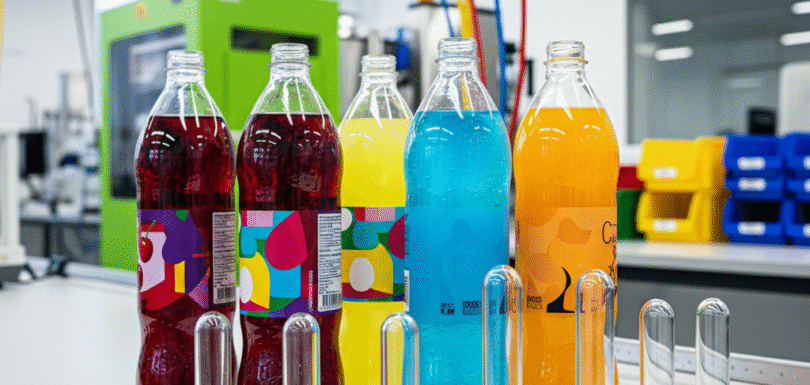
The carbonated soft drink (CSD) beverage category is in high demand for both the manufacturer and the consumer. CSDs contain carbon dioxide at high pressure; the CSD bottles need to be made of materials that meet high-quality standards and are extremely durable. When it comes to manufacturers, selecting the proper bottle preform for a CSD is considered one of the most important aspects of manufacturing. If the wrong preform is selected, the manufacturer runs the risk of producing burst bottles during the filling process, experiencing leaks when transporting the bottles to customers, creating poor-looking bottled products that are difficult to display on store shelves, and having to deal with increased scrap/residue from unsold product. All of these factors can considerably reduce a manufacturer’s profit margin and adversely affect the perception of their brand. At DRJ Plasttech, based in Surat, we provide manufacturers of CSDs with custom-made, top-quality preforms for use in the production of CSD bottles. Our customers include those who produce small cans (250ml) and large family packs (2 litres). Our goal is to provide our clients with a complete guide to making an informed decision regarding their choice of preform for CSDs. Table of Contents Why PET is Ideal for CSD Packaging Design Considerations for PET Preforms in CSD Common Use-Cases: Matching Preforms with Bottle Sizes Step-by-Step Process for Choosing the Right PET Preform Common Mistakes to Avoid FAQs on CSD PET Preforms and Bottling Final Thoughts Why PET is Ideal for CSD Packaging For contemporary beverage packaging, polyethylene terephthalate (PET) is the preferred material for several important reasons: Because of these advantages, PET is the preferred material for both still and carbonated drinks; however, the design and production of CSD bottles require much greater precision. Design Considerations for PET Preforms in CSD 1. Preform Weight and Wall Thickness Bottles containing carbonated drinks are impacted by internal carbonation pressure, putting an enormous amount of stress on bottle walls in terms of weight and thickness. A standard 19g preform might be used for a 500ml bottle of still water, while a bottle being used to contain a carbonated soft drink (CSD) will require the use of a preform weighing somewhere in the 28-30g range, depending on how much pressure is applied to the bottle. Using a thinner wall preform makes you risk that the bottle will either deform or actually perforate while you are filling it. Overweight preforms can create an impact on your overall costs, as you will be unnecessarily carrying excess weight in the bottle. Tip: Before you settle on a preform weight, be sure to use stretch ratio and blow moulding tests to confirm your wall thickness distribution. 2. Neck Finish and Closure System The closure systems for CSDs must be designed to maintain internal carbonation pressure during storage, transport and distribution. Generally, CSDs use a few common industry-standard neck finishes that include the following: These neck finishes are compatible with tamper-evident caps that are designed to maintain the carbonation of the CSD. Using an incorrect neck design may lead to any of the following issues: At DRJ Plasttech, our preforms have highly accurate neck dimensions due to our use of digital tooling systems to ensure optimal cap compatibility. 3. Barrier Performance and Shelf Life On shelves, CSD drinks must maintain their carbonation for several months. Because PET naturally permits some gas permeation, selecting the appropriate preform design and additives is essential. Improvements to barrier performance consist of: These techniques are necessary for products with longer shelf lives or premium positioning, even though they may increase costs. 4. Preform Clarity and Crystallinity A PET preform’s degree of crystallinity influences both mechanical performance and appearance. It is necessary to carefully regulate the PET preform heating temperature during injection moulding and reheat blowing to achieve ideal crystallinity. Bottles that are brittle or hazy due to inconsistent heating are unsuitable for branded goods. To maintain optimal crystallinity levels in each plastic bottle preform we produce, DRJ Plasttech employs precise temperature control and mould cooling systems. 5. Mould Compatibility and Blowability Your chosen preform must be compatible with your moulds and wheels. Some considerations include: The geometry of the preform, including wall thickness distribution and shoulder design, is critical for the proper performance of the finished bottle. Mismatched components may cause: At DRJ Plasttech, we provide a full range of custom design and preform design services to help you get the best results from your preform in your blowing and filling operations. 6. Resin Quality and Moisture Control Because PET is hygroscopic, it takes in moisture from its surroundings. This moisture becomes steam during injection if it is not adequately dried, weakening the structure and producing micro-bubbles. Dangers of inadequate moisture management In order to maintain the ideal resin moisture content (below 0.005%) at our Surat facility, a crucial step in guaranteeing the long-term durability of our plastic bottle preforms, we employ highly effective dehumidifying dryers.. Common Use-Cases: Matching Preforms with Bottle Sizes Bottle Size Preform Weight Neck Finish Notes 250 ml 23g–25g PCO 1881 For compact, single-serve formats 500 ml 28g–30g PCO 1881 Most common size for on-the-go CSD 1 Litre 34g–38g PCO 1810 Requires stronger wall support 1.5 Litre 40g–45g PCO 1810 High internal pressure; durability critical 2 Litre 45g–48g PCO 1810 Ideal for family packs and multi-serves The table above serves as a rough guideline for product selection; however, the end specifications must be confirmed through actual bottle blow testing. Step-by-Step Process for Choosing the Right PET Preform To correctly pick the best PET Preform to be used to produce bottles (in particular for CSD applications), a detailed selection process takes place. To assure long-term performance as well as efficient function, the following is a detailed outline of how to achieve those results: Step 1: Identify Your Beverage Specifications Step 2: Define Bottle Size and Geometry Step 3: Select Appropriate Preform Weight Step 4: Choose Neck Finish and Closure System Step 5: Validate Resin Quality Make sure the resin is: Step 6: Conduct Blowing and Filling
Continue Reading
person choosing PET preform size for product

PET Preform Sizes: A Complete Guide for Buyers

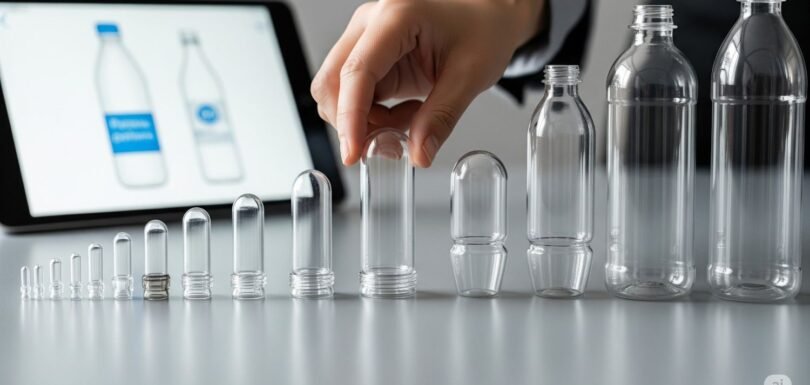
No matter what you are packaging, whether it is beverages, oils, or pharmaceuticals, when it comes to Plastic Preform Packaging, the size really does matter! We’re not talking about the size of the final bottle; we are talking about the actual size of the PET Preforms. The size of the preform directs each aspect of the bottle, including the shape, capacity, durability, and appearance. Choosing the wrong PET preform size can lead to leaking products and other production problems. With competition in India’s FMCG and packaging markets at an all-time high, manufacturers are continually looking for ways to optimize their design of PET preforms to ensure maximum strength and minimum cost, while maintaining a perfect fit with the finished product. The problem is that many buyers, especially first-timers, do not have a full understanding of how preform dimensions affect the overall bottle manufacturing process. This article will provide you with everything you need to know about PET Preform sizes, how to interpret PET Preform size numbers, what the standard preform sizes are, and how to select the right size for your product line. By following this information, you will be able to buy PET preforms with the utmost confidence, while also sourcing more efficiently and saving money! Table of Content What Is a PET Preform? Quick Recap Before We Dive In Let’s first review the fundamentals before we get into the particulars regarding this method of production. A PET Preform is a semi-finished piece of plastic manufactured using PET resin, commonly known as an injection mold test tube. Originally molded into a tube like a test tube, these preforms are subsequently reheated and blown radially, whereby they are turned into their final form (i.e., bottle) through an injection molding process.  The two-step manufacturing process utilized by many manufacturers, it offers the manufacturer the ability to quickly produce thousands of identical shapes in one location, allowing for easy transport to any given location where they will be shaped and ultimately turned into the actual products themselves, enabling the quickest and least expensive production of their finished goods. Common knowledge suggests that the design process of a PET preform includes: As well as the worldwide increase in the demand for recyclable, economical, and diverse products for packaging (e.g., beverage/oil/pharmaceutical/drugs) manufactured from PET preforms, as noted by the International Materials Research Corporation (IMARC), with India’s production capacity at over 3400 kiloton, also known as FY22. In short, A preform serves as the basis from which the products are produced, and the sizing of a preform is the basic requirement for production. Understanding PET Preform Sizing: It’s Not Just About Weight Many new buyers mistakenly believe that PET preform sizes are only determined by weight. But while the weight is certainly important when determining how much PET will be used to manufacture a bottle, three distinct parameters determine a PET preform’s size: 1. Gram Weight This is the actual weight of the preform (measured in grams). The gram weight of a preform affects how thick and strong the resulting bottle will be. For instance: 2. Neck Diameter  This refers to the “mouth” of the bottle, i.e., the size of the neck and the type of closure (cap, seal, etc.). For example:  3. Length of Preform The length of the preform dictates the maximum height that the bottle may stretch. Longer preforms can produce taller bottles with larger volumes than shorter ones. Therefore, when we discuss the “standard sizes of PET preforms,” we are actually discussing the three variables discussed above, and using the wrong combination can harm everything from bottle compatibility to efficiency of the blow moulding process. 4. Common PET Preform Sizes in the Indian Market The packaging industry in India is diverse regarding the types and sizes of PET preforms used based on product types and target markets. Gujarat, Maharashtra, and Tamil Nadu have especially larger quantities of diverse sizes of preforms available for use than other regions in India. The following is an example of popular size pairings of preforms found within India: Bottle Volume Preform Weight Neck Type Typical Use 200ml 8–9 grams 28mm Alaska Water / Juice Bottles 500ml 11–13 grams 28mm Alaska / PCO Water / Flavoured Drinks 1 Litre 19–23 grams PCO 1810 or 1881 Carbonated Drinks / Oils 2 Litres 28–32 grams 3-Start / Wide Neck Soda / Edible Oil 5 Litres 50–70 grams 38mm or Wide Mouth Bulk Water / Oil Packs What does this mean? If you’re launching a new product, using standard-size PET preforms will allow you to utilize existing moulds, get competitive prices, and allow easy compatibility with existing caps. Standard-size preforms are beneficial to the industry because they’re designed for use on automated filling machines and utilize caps that are readily available in all regions of India. 5. Neck Sizes Explained: Alaska, PCO 1810, PCO 1881, 3-Start & More Although small, the neck size is a critical emerging part of PET preform design. The neck plays an important role in the following: There are several PET preform neck sizes used in packaging in India, including the following examples:  28mm Alaska Neck PCO 1810 PCO 1881 3-Start Neck 38mm / Wide Mouth Selecting the correct neck size when designing a PET preform is essential to reduce leakages, increase shelf-life, and maximize efficiency on production flooring. How to Choose the Right PET Preform Size for Your Product Your choice of PET preform size will be the combination of strategic considerations and the scientific determination of what best suits your product. Whether you are bottling water, oil or pharmaceuticals, it is imperative to select a preform that is compatible with your production, shipping and retail display.  To assist with the decision-making process, please refer to the following. Factor What to Consider Bottle Volume 200ml? 500ml? 20L? DRJ offers preform weights from 6.2g to 700g Neck Type Alaska for water, Short Neck (26/22) for oils, 55mm for bulk water Filling Method Is your line high-pressure? Opt for thicker preforms (13g–20g) Storage Needs Long shelf
Continue Reading
Clear plastic PET preforms

Top Mistakes in PET Preform Neck Size Manufacturing (& How to Fix Them)

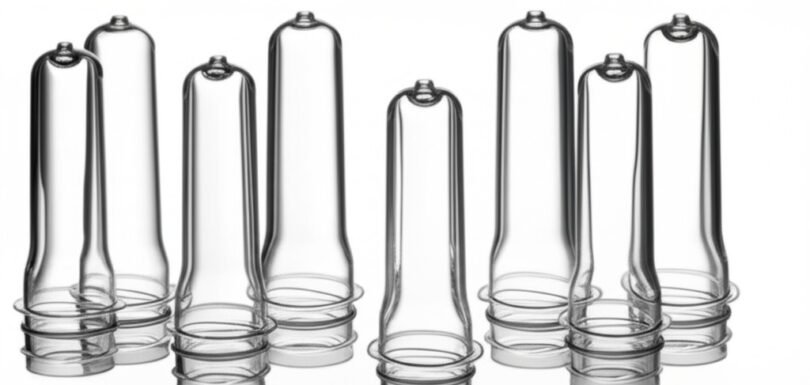
When considering the production of plastic bottles, there are many things to pay attention to, such as design, weight & clarity. But here’s the reality, the PET preform neck type size is critical for your packaging line. It affects how efficiently capping takes place, how well it resists leaking, and how happy customers are after receiving their products, whether that product is a beverage, edible oil, or pharmaceutical. In fact, by 2025, the market for PET preforms will reach approximately USD 17.5 billion and will be worth around USD 26.9 billion by 2035, a CAGR (Compound Annual Growth Rate) of 4.4%. So you must have proper neck type sizing for your PET preform! Table Of Content Why PET Preform Neck Size Matters More Than You Think The neck size refers to the upper portion of the PET preform that holds the cap, and where the seal is created. If your cap does not fit properly, or if it does not line up correctly with the preform, you will see leakage or loose caps and potentially damaged products on shelves. From a technical perspective, it is essential to align the neck size of the PET preform with the appropriate cap, the product being filled, and the amount of pressure that will act on the container once filled. So, if you choose the wrong neck size for your PET preform, you are risking a loss in profitability! The Most Common Neck Size Standards Explained (28mm, 30/25, PCO, Alaska, etc.) Around the world and especially in India, there are various standard types of neck sizes for PET preforms. The most common PET preform neck sizes will be discussed here, and an explanation of when to use the neck sizes will also be given. Common PET Preform Neck Types: Each of these neck sizes has different thread designs and sealing capabilities, as well as its compatibility with caps. For example, the Alaska neck preform has a tamper-evident closure, which makes it an appropriate choice for edible oils and dairy packaging. The problem is that many manufacturers do not pay attention to the various thread profiles in the 28mm neck size (such as 1810 and 1881), thinking that all 28mm neck sizes are the same, but there are slight, yet critical, differences between them. When selecting an appropriate neck type, each cap/closure type and filling method will determine which neck type will produce the best performance and, most importantly, keep the customers safe. Mistake #1: Using the Wrong Neck Size for the Product Type Assuming you are packaging the carbonated beverages in a lightweight 30/25 PET preform neck due to cost, this is a huge mistake, because the low quality of these preforms can lead to exploding bottles or leaking caps due to the build-up of pressure that occurs with carbonated beverages. Using a 28mm Alaska neck preform for high viscosity edible oils may work for a while, but it can cause a drip problem, have loose closures, and create complaints from consumers about messy pouring. What Causes This Issue? Mistake #2: Ignoring Cap Compatibility During Preform Sourcing It’s common for manufacturers to buy PET preforms in bulk without checking for cap compatibility. When this happens, manufacturers will have a mess on their assembly lines. Here are the problems that can occur when cap and preform compatibility is ignored: An example of PET preforms that require specific tamper-proof caps is those with an Alaska neck. You don’t want to attempt to use generic 28mm closures on Alaska neck preforms – that’s a mistake. There are a few reasons why manufacturers usually don’t check for cap compatibility: To avoid these problems, ask suppliers for the following: Always test your preforms to your actual caps and capping machines before mass production. This small step can save you significant time and money. Mistake #3: Switching Neck Sizes Without Recalibrating Machinery When you switch your preform neck from a 28mm Alaska to a 30/25 mm PET, you may think you have saved some money. However, without ensuring that your blow moulding and capping equipment has been calibrated after the change, you could find that your rejection rates will rise to at least 10% to 15% higher. The risks associated with this type of transition include: Each manufacturer has specific blow moulding machines for different PET preform neck types. Therefore, any slight difference in the thread geometry will lead to problems during the entire production run. The best way to avoid these issues is: Semi-automatic PET bottle production lines are becoming increasingly popular with manufacturers across India, particularly in Tier-2 cities. These setups require accurate alignment of the blow moulding, capping, and necking equipment, so do not let an incorrect neck size disrupt your operations. Mistake #4: Overlooking Neck Finish Tolerances Concerning neck finishes, tolerances refer to the amount of variation permitted in the diameter and thread dimensions of a PET preform’s neck. Even a 0.2mm difference from specification can result in significant seal problems at higher production speeds. The impact of the tolerances in the real world is: According to BIS standards (IS 14534:1998), the allowable range of tolerances for neck finish is very strict to maintain the cap integrity and leak-proof design. Many small manufacturers do not pay any attention to these standards. For example, Alaska neck PET preforms require tighter tolerances than standard necks due to the unique design of the sealing ring. If the band does not properly engage the sealing ring, there are compliance issues with the tamper evidence in India. To verify, it is always advisable to request a dimensional tolerance report from the supplier and compare it to the closure specifications for your caps. Achieving a high level of dimensional accuracy upfront will reduce product rejections later in the production process. Mistake #5: Ordering One-Size-Fits-All Preforms Across Multiple SKUs Manufacturers that attempt to simplify the procurement process typically choose to use a universal PET preform across multiple product categories. On paper, this approach appears to be a good option; however, it does
Continue Reading
x

Contact Us!

Block No 271, Navi Pardi Mazda Gali, Kamrej, Pipodara, Surat, Gujarat, 394110

Mon to Sat – 9:00 am – 8:00 pm