
Packaging small details has the largest impact. Plastic bottle caps are one of the most unnoticed but most important components. A weak or improperly fitted cap will create leaking, contamination, and product recalls that will cost businesses much more than what was saved.
If you’re looking for closures for any type of water or soft drink, oils or pharmaceutical products, or plastic caps used for drinking purposes, it’s important to ensure you specify the right one for the particular application. Choosing the appropriate bottle cap for your product guarantees safety to the user through proper sealing conditions, along with improving the shelf appearance of the product, convenience to the user, and trust in your brand.
This blog will discuss the reasons for the failure of closures and how they can be prevented with improved specifications, and what to look for when dealing with plastic bottle cap manufacturers.
Table of Contents
- Why bottle caps matter more than you think
- Common closure failures and their hidden costs
- The role of specifications in plastic bottle caps
- Types of plastic bottle caps for different uses
- Plastic caps for glass bottles: special considerations
- How to evaluate plastic bottle cap manufacturers
- Common myths about closures
- Future innovations in plastic bottle caps
- Final thoughts
Why bottle caps matter more than you think
One thing a consumer notices about your product right when they interact with it is the closure of the bottle cap itself. A poorly made or inconveniently designed plastic bottle cap can create immeasurable frustration with a product that’s otherwise perfect.
Caps serve three essential purposes:
- Sealing products and preventing any leaks or contamination from reaching consumers.
- Safety: Maintaining the freshness of the product and ensuring that the product cannot be tampered with
- Usability: Making it as easy as possible for consumers to open, close, and re-seal bottles
- Branding: Providing an attractive appearance with aesthetic colors and finishes that will enhance the brand’s appeal on store shelves.
Caps are not simply an afterthought — they are critical for brands in all categories of products because they support both product quality and brand recognition.
Common closure failures and their hidden costs
Using a substandard or incorrect type of cap for a plastic bottle can cause serious problems, such as:
- Transport Leakage – If caps do not fit tightly enough or are made from a low-quality plastic, there is an increased risk that bottles will leak, causing large amounts of product loss in transit.
- Loss of Carbonation – Carbonated beverages, particularly carbonated soft drinks, will go flat if a bottle is improperly capped, resulting in dissatisfied customers and lost sales.
- Contamination Risk – Caps that do not make a good seal leave an entry point for outside air and/or bacteria, which can result in compromised quality and food safety, as well as a lack of compliance with sanitary regulations.
- Damaged Caps – Any customer who has had to deal with a broken or difficult-to-open cap is less likely to be loyal to a brand than they would be if they had received a properly capped product.
- Recalls and Fines – In some industries, including pharmaceuticals, a defective capping system can result in substantial fines and/or recalls.
The bottom line is that the cost of closure failures far outweighs the cost of investing properly in a reliable plastic bottle cap manufacturer.
The role of specifications in plastic bottle caps
Most application end users’ caps are designed at a very precise level of specification. A failure to fully address the specifics can mean a lost opportunity for a functioning closure and a large monetary loss. Some of the most important caps specifications to consider are as follows:
- Compatibility with the neck finish of the bottle: the caps must exactly match the thread design of the bottle neck.
- The type of material the cap is made from: all types of materials, such as HDPE, PP, and specialty resins, have different qualities and strengths.
- The need for tamper-evident features: this feature is required by several industries to show the safety of the products sold by that particular industry.
- The type of seal required: common seal types include induction liners, foam liners, or plug seals for an airtight closure.
- The torque strength of the cap: ensuring the product is easy to open but also sufficiently secured against leaking.
Good manufacturers of plastic bottle caps work with their customers to ensure all of their specifications for caps are tailored to optimize the product manufactured for their customers.
Types of plastic bottle caps for different uses
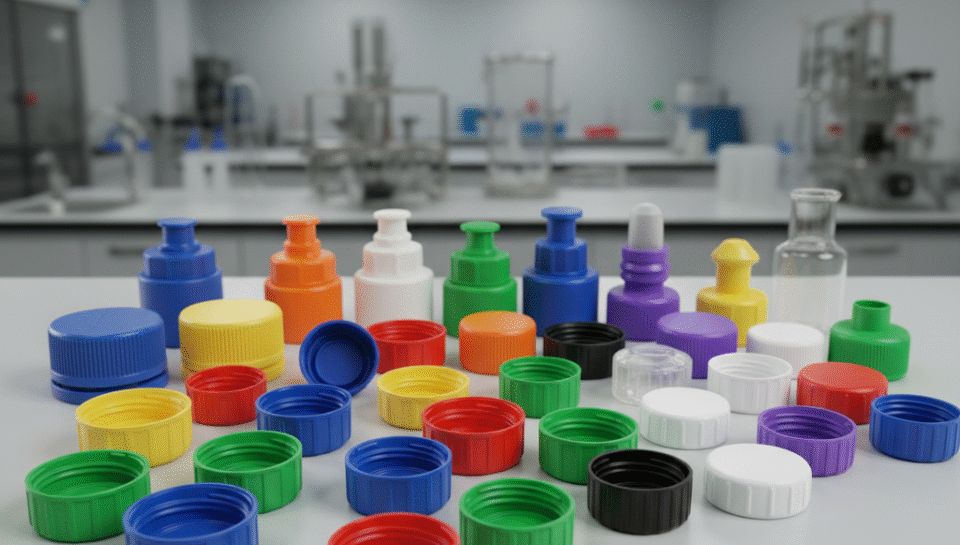
Not every cap is the same. Each product may require a different closure method depending on what it is. The following are the most common plastic cap types currently in use:
1. Screw caps
It is the most versatile type of closure, as it is used for many products, such as water, juice, oil, etc. They can be easily opened, sealed again, and are available in multiple styles.
2. Flip-top caps
It is primarily used in the personal care and food industries. These caps add an element of convenience by making them easier to open and dispense control when pouring.
3. Child-resistant caps
It is designed for use in the pharmaceutical and chemical industry. These caps are made to prevent an accidental opening of the container and are manufactured in compliance with strict safety guidelines.
4. Sports caps
It is designed specifically for hydration containers. These caps allow the user to drink while still having the cap on.
5. Dispensing caps
It is commonly found on sauces and personal care products, such as shampoo and detergent. These caps allow for more controlled dispensing.
Each different cap type also has its own unique design needs that must be taken into consideration by the manufacturer of plastic caps when designing caps for a given product.
Plastic caps for glass bottles: special considerations
Plastic closures for glass bottles have a higher emphasis on specification than those for PET bottles, as glass has limited flexibility and very little tolerance for misfit closures (compared to PET).
Several primary considerations include:
- Tighter tolerances: Ensure that the closure will provide a leak-proof seal on a rigid glass finish.
- Choice of liner: Induction or foam liners help protect the rim of the bottle from damage by providing a cushion.
- Aesthetic appeal: Glass packaging is often considered high-end, and closures must have a corresponding high-quality finish.
- Durability: Closure must be made of a stronger material to withstand the rigidity of glass without cracking.
Industries such as premium beverages, sauces, and cosmetics use these specialized caps extensively.
How to evaluate plastic bottle cap manufacturers
Choosing a Plastic Bottle Cap Supplier is as important as the Cap Design. The best plastic bottle cap manufacturers supply more than just the product—their experience offers long-term partnerships with cap manufacturers regarding the cost-efficient and quality production of caps.
What Should Be Evaluated When Selecting a Plastic Bottle Cap Manufacturer?
- Technical Capability: Will the cap manufacturer understand a variety of neck finishes, liner materials, and how to torque apply the caps to the Bottle?
- Manufacturing Capability: If the demand for the product skyrockets, will the manufacturer be able to increase production capacity?
- Ability to Custom Design Caps: Can the cap manufacturer develop custom-designed caps that fit your product branding and meet any unique functionality requirements?
- Quality Control Systems: What Quality Control systems does the cap manufacturer utilize to qualify caps against leaking, durability, and seal strength?
- Regulatory Compliance: What certifications for all safety standards do the cap manufacturers of the food and pharmaceutical Industry comply with?
- Logistics Support: How rapidly can the Cap supplier deliver, and what is the strength of their supply chain in your area?
When the right plastic bottle cap supplier is selected, High costs will be saved, Product failures will be prevented, and Supply Reliability will be ensured.
Common myths about closures
“All Caps are the Same”
False. Every plastic bottle cap is manufactured to fit a specific product/s and has different specifications; there are more than a hundred options for caps.
“Buying Cheaper Caps = Saving Money”
True. Initially, most people think they are saving money when they purchase cheaper-quality caps.
“Plastic Bottle Caps for Glass Bottles can be Used Interchangeably with PET Bottle Caps’
False. The caps that seal glass bottles must be designed with special requirements, such as tighter tolerances and better sealing power than the caps designed for PET bottles, for them to perform safely.
“When You Find a Good Supplier, Specifications Mean Nothing”
The Correct Answer. Even with the best plastic bottle cap manufacturer, you MUST provide correct specifications if you expect to receive a properly manufactured closure.
Future innovations in plastic bottle caps
The closing industry is making significant progress to accommodate the evolving needs of its consumers and regulatory agencies. Here are five trends you will see in the future of the closure industry:
1. Sustainable materials
The incorporation of recycled plastics and bio-based resins into plastic bottle closures (caps) will continue to grow dramatically in volume, while still providing the same effective sealing properties.
2. Lightweight designs
The development of thinner-walled, more innovative geometries for caps will continue to evolve into new cap designs that utilize less material while maintaining the same strength and functionality.
3. Smart closures
Cap manufacturers are introducing the use of Near Field Communication (NFC) technology and QR Codes on plastic bottle caps to create greater consumer connection and product traceability.
4. One-piece liners
Through the introduction of new liner technologies, there is no longer a need for multiple components within a cap, thus streamlining the manufacturing and recycling processes.
5. Premium finishes
For many industries, such as cosmetics and beverage companies, the plastic caps for glass bottles being developed today will include additional attractive finishes such as metallic coatings, texture, and environmentally friendly decorative printed options.
Final thoughts
Small details are critical to success in packaging. One great example of this can be found in plastic bottle caps. A cap with loose specifications has the potential to disrupt an entire supply chain; on the contrary, a high-quality closure that is properly engineered, designed, and tested improves the safety, usability, and value of the product.
To avoid making costly mistakes when it comes to closures, organizations must:
- Pay attention to neck finish, torque, and liner type specifications.
- Use the correct style of cap for each type of product category.
- Consider special requirements for plastic caps on glass bottles.
- Work with reliable manufacturers of plastic bottle caps that place a high priority on quality and innovation.
At DRJ Plasttech, we believe that closures are an integral part of the packaging process and play a role in the overall success of packaging. We provide advanced technologies, stringent quality systems, and customer-focused solutions to help brands avoid product failures and deliver products that earn consumer trust.
When sourcing plastic bottle caps, remember: Specifications can make or break a product’s packaging., remember: the right specs can mean the difference between a package that fails and one that stands out.
If you’re looking for insights into bubble top bottle innovations, explore the latest bubble top bottle design trends shaping modern packaging.
FAQs on Plastic Bottle Caps
1. What makes plastic bottle caps so crucial to packaging?
Plastic bottle caps improve consumer convenience, guarantee product safety, stop leaks, and preserve freshness. Both quality and brand trust are enhanced by a well-designed cap.
2. What should I look for before purchasing bottle caps made of plastic?
Neck finish compatibility, liner type, sealing strength, material (PP or HDPE), and torque performance are important considerations. Always match specifications to the requirements of your product.
3. How can I pick trustworthy producers of plastic bottle caps?
Seek out producers who have a track record of success, robust quality control procedures, regulatory compliance, and the capacity to modify caps for your particular packaging.
4. Is it possible to use the same cap on glass and PET bottles?
No, because glass bottles have a rigid neck finish, plastic bottle caps need stronger liners and tighter tolerances.
5. What kinds of plastic bottle caps are most widely available?
Popular varieties that are appropriate for particular product categories include screw caps, flip-top caps, child-resistant caps, sports caps, and dispensing caps.
6. What leads to plastic bottle cap closure failures?
Inadequate plastic, weak seals, mismatched neck finishes, and improper torque application during capping are common causes.
7. Can plastic bottle caps be recycled?
Indeed. The majority of HDPE or PP plastic bottle caps are recyclable, though local recycling facilities may not accept them.
8. What innovations are producers of plastic bottle caps developing?
Lightweight designs, bio-based plastics, recycled resins, smart closures with QR codes, and high-end decorative finishes are some of the current trends.
9. How do glass bottle plastic caps improve high-end packaging?
They are perfect for beverages, sauces, cosmetics, and luxury goods because they offer airtight seals, durability, and beautiful finishes.
10. How can I keep my supply chain from experiencing expensive closure failures?
Before increasing production, collaborate with seasoned producers of plastic bottle caps, give precise specifications, and test closures in practical settings.